January 13, 2026 | Written by Rowan Rocskar
The Family Friction: How to Organize When You Don’t Live Alone
One of the most frequent questions I hear during an Introductory Session is: "How do I keep this up if my partner/roommate/kids aren't on board?"
It’s a valid concern. You can have the most beautiful, non-toxic, labeled system in the world, but if the people you live with don’t understand or respect it, the friction remains. At Larch Life, I view the home as an ecosystem. For the ecosystem to be healthy, the systems must work for the whole family—not just the person who hired me.
Here is my curator’s guide to navigating boundaries and organization with the people you love.
1. Lower the "Barrier to Entry"
If a system is too complex, people will bypass it. If your partner has to unclip three latches to put away a bag of chips, those chips are going to stay on the counter.
The Strategy: Design for the "laziest" person in the house. Use open bins for high-frequency items and keep "homes" intuitive. If a system is failing, it’s usually because it’s too difficult to maintain, not because your family is "messy."
2. Respect the "Individual Zone"
Everyone deserves a space where they can be themselves, even if that self is a bit cluttered.
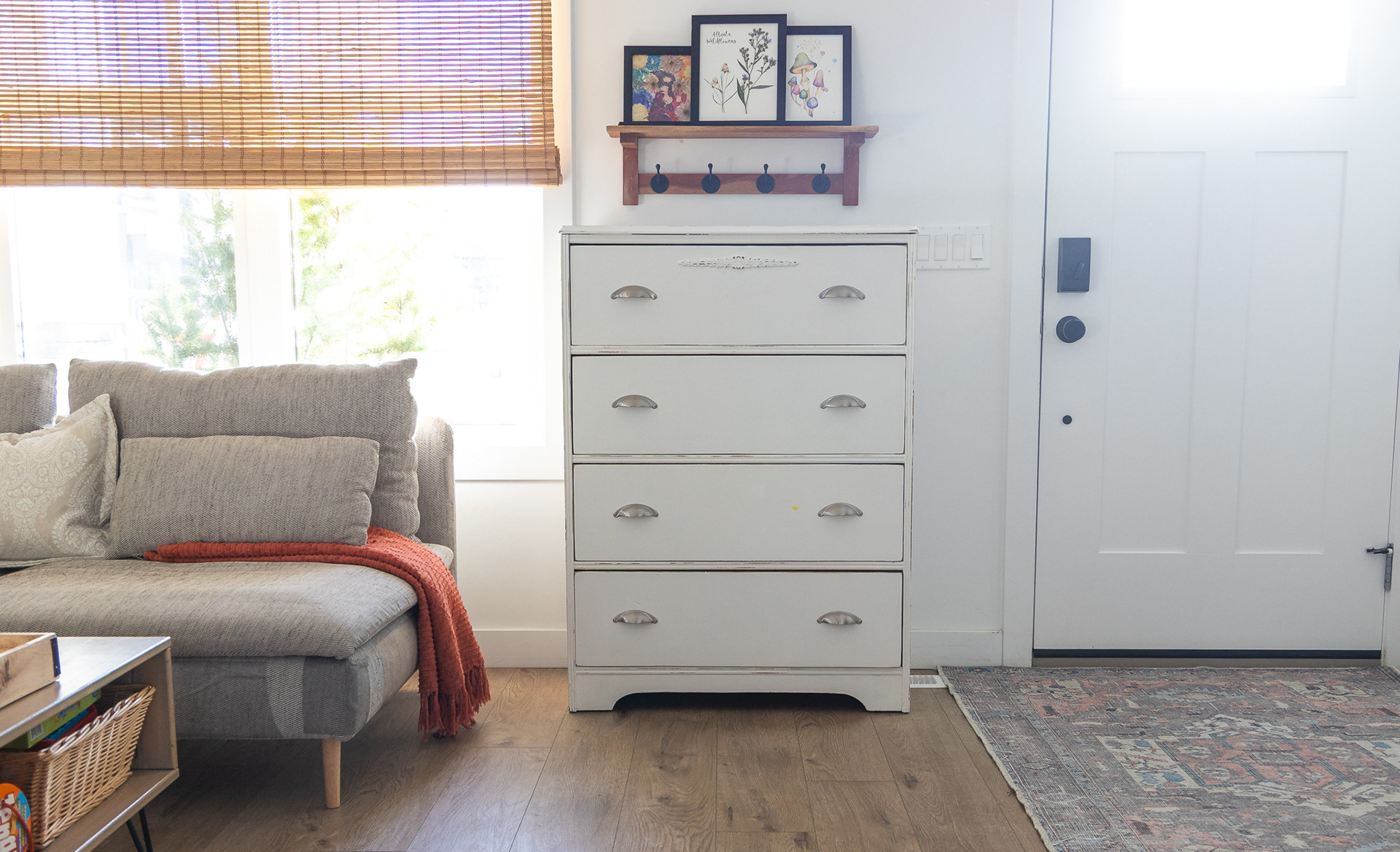
The Strategy: Establish "Zones of Autonomy." Whether it’s a specific desk, a bedside table, or a teenager’s bedroom, agree that these spaces belong to them. In exchange, the "Communal Zones" (kitchen, living room, entryway) follow the Larch Life standard of empty space and clear surfaces.
3. The 10-Minute "Body Double" Reset
Expecting a partner or child to organize solo can lead to resentment or "decision fatigue."
The Strategy: Practice "Body Doubling." Once a day, set a timer for 10 minutes and tidy together. By working in the same room at the same time, the task feels lighter, and you are modelling the behaviour of "closing the house" without it feeling like a lecture.
4. Stop Organizing "Other People's" Things (Without Permission)
This is the hardest rule to follow. When we move or declutter someone else’s belongings without their consent, we break the trust of the home.
The Strategy: Lead by example. Focus on your own belongings and the communal pantry/closet first. When your family sees the mental clarity you’ve gained from your own "Small Wins," they are much more likely to ask for your help with theirs.
5. Communication Over Perfection
Organization is a conversation. If your child is struggling to put their toys away, it’s likely that the "home" we chose for those toys isn't accessible to them.
The Strategy: Ask questions instead of making demands. "I noticed the shoes are piling up by the door. Is the basket too full, or is it in a weird spot for you?" This shifts the tone from judgment to curiosity.
The Larch Life Perspective: A healthy home isn't one that looks like a magazine 24/7.
A healthy home is one where every member feels respected and supported by their environment.
We don’t organize to achieve perfection; we organize to reduce the friction of living together.
We don’t organize to achieve perfection; we organize to reduce the friction of living together.
Need a neutral third party to help navigate your home's ecosystem?
Sometimes it takes an outside expert to see the solution that everyone else is too close to notice. Whether you’re merging two households or just trying to get the playroom under control, let’s build a system that finally works for everyone.